On April 25, 2026, at 3:38 p.m., India achieved something remarkable. Amidst a blistering heatwave that tested every wire and transformer in the country, the national grid seamlessly met a record demand of 256.1 gigawatt (GW). It was a triumph of modern engineering and, more importantly, a glimpse into our green future.
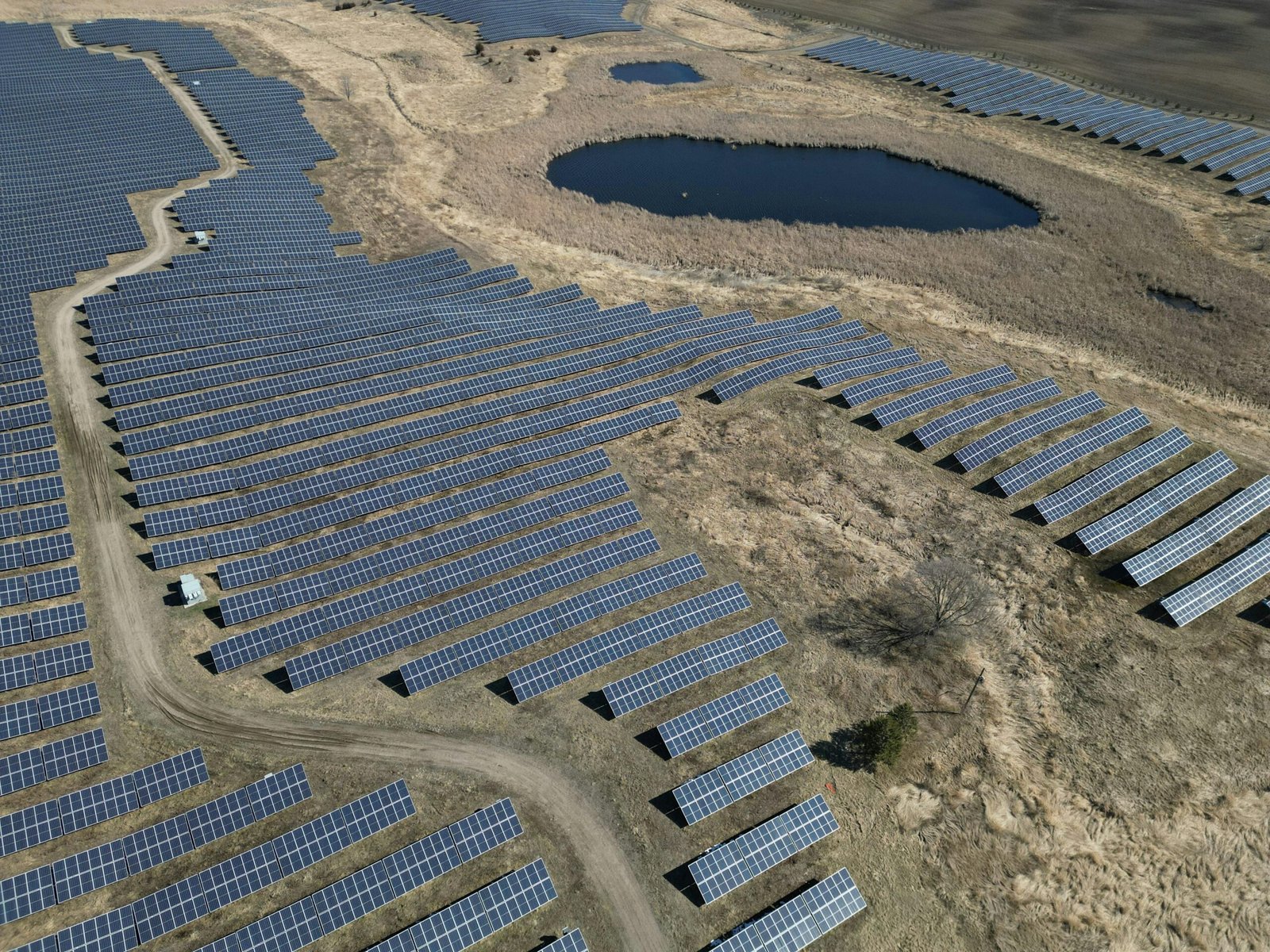
At that moment, the sun was doing more than just heating our cities; it was powering them. Solar energy alone contributed a massive 56.2 GW to the grid, a testament to the record-breaking 44.6 GW of solar capacity we added in just the last year. We didn’t just survive the heat; we harnessed it. The “true” solar peak for the day had occurred earlier in the afternoon: at 12:30 p.m., solar generation had reached its daily maximum of 80.8 GW, meeting nearly 33% (one-third) of the national load at that time – a huge milestone for a country like India.
India has discovered a superpower. We have learned how to turn sunlight into the electricity that runs our hospitals, schools and cooling systems. We are on the verge of becoming an ‘energy wealthy’ nation. Currently, we are like a person who earns a huge salary in the afternoon but doesn’t have a bank account to save it for the evening. By investing in energy storage, our ‘energy bank’, we can take the free, clean power from the afternoon sun and use it to keep our nights bright and cool. This isn’t just about protecting the environment; it’s about making energy so abundant and affordable that it drives India’s next century of growth.
This moment matters because India is currently the global laboratory for the energy transition. With a cumulative solar capacity crossing the 150 GW milestone this March, we have proven that scale is not an obstacle. The world is watching as we decouple our economic growth from carbon emissions. The ‘state of play’ is incredibly exciting: the government’s PM Surya Ghar initiative has turned millions of Indian rooftops into mini-power plants, and our ‘Green Energy Corridors’ are moving power across states with unprecedented efficiency.
What is often overlooked in the rush to meet demand is the incredible economic opportunity hidden in our midday power surplus. On the day of the peak, the abundance of solar power drove market prices down to near zero during the afternoon. While this highlights a need for better management, it also shows that we have already unlocked the secret to low-cost power. Through recent policies like the Energy Storage Obligation (ESO) introduced in July 2022, which requires electricity distribution companies (DISCOMs) to source a portion of their power from renewable energy paired with storage, and viability gap funding for batteries to develop 4,000 MWh of Battery Energy Storage Systems (BESS) by 2030-31, the government is giving a ?94 billion financial boost to help companies build large-scale battery storage facilities.
This funding bridges the gap between the high cost of setting up these massive battery projects and making them profitable for private investors. These policies are the crucial pieces of the puzzle, setting the stage for India to become a global leader in battery technology and small pumped hydro storage.
The way ahead
The mainstream narrative often focuses on the ‘challenge’ of renewables. Our perspective, based on years of data that we have analysed and our daily work at EnviroCatalysts, is that renewables and the storage of renewable energy are our greatest economic advantage. The sun has no fuel cost, and its ‘price’ never fluctuates due to global conflicts. By focusing on storage, we aren’t just stabilising the grid, we are insulating the Indian economy from global energy shocks.
Anchoring India’s ambition: The storage revolution
Recent data from IRENA and Ember shows that “round-the-clock” (RTC) solar and wind, paired with battery energy storage systems (BESS), now deliver power at ?5.06/unit ($56/MWh). In contrast, new coal-based power is increasingly expensive, with levelised costs often exceeding ?6.50–?7.00/unit once you factor in rising coal logistical costs, carbon taxes, and the mandatory installation of emission control technologies (like FGDs).
Our primary solution is to fast-track the 100 GWh storage pipeline to a 236 GWh target by 2031-32. By capturing the ‘lost’ potential of the afternoon sun, which hit over 80 GW on the day of the peak (25 April 2026), we can provide firm, reliable power 24/7 at a cheaper rate because most often the excess solar-based generation is curtailed or wasted due to grid constraints (because of the high coal capacity that is online to meet evening demand). This turns solar from a ‘variable’ resource into a ‘baseload’ strength. Every gigawatt-hour of battery capacity we add is a step toward a future where expensive ‘peaking’ power is a thing of the past.
Modernising the grid
India can build the world’s most flexible grid by transitioning to a “Symphonic Grid,” where demand moves in harmony with solar cycles. The central nervous system of this shift is the time-of-day (ToD) tariff, using low midday prices to incentivise factories to run energy-intensive processes when solar is most abundant. Sectoral synergy further scales this, such as when vehicle-to-grid (V2G) technology allows EVs to soak up midday sun for evening support, while green hydrogen electrolysers convert excess electrons into clean fuel for heavy industry.
Additionally, shifting agricultural pumping to daytime via PM-KUSUM unburdens the nightly grid. While these interventions are already part of national plans, they require an accelerated, high-velocity push to reach the scale necessary for sustainable economic decarbonisation. By moving from pilot to practice, we transform demand-side management into a strategic competitive edge for a low-cost, resilient future.
Optimising the existing fleet
Rather than looking for new thermal power capacity installation, India’s path forward lies in making our existing infrastructure cleaner and more responsive. By enforcing high standards for emission controls and flexibility on our current plants, we ensure they act as a reliable backup while the ‘Green Engine’ of RE and storage takes the lead. This approach saves capital that can be better spent on the technology of tomorrow.
India stands at a crossroads where the cheapest energy is also the cleanest. We can choose to stay tethered to the volatile, rising costs of a fading coal era, or we can accelerate into the storage revolution. With the 236 GWh target in our sights and domestic manufacturing engine humming, the path is clear. Investing in storage isn’t just an environmental ‘good’; it is the ultimate fiscal hedge.
Let’s stop building the stranded assets of the past and start banking the green abundance of our future. The sun is giving us the capital; it’s time we opened the account.
Sunil Dahiya is the Founder and Lead Analyst at EnviroCatalysts, specialising in the intersection of energy economics, zero-emission mobility, and public health. Himanshi Negi is a Senior Research Associate with EnviroCatalysts.