I never knew a sector like this existed. Growing up in Bombay, surrounded by friends headed into business and corporate jobs, I studied commerce, then law, and was on track to become a financial lawyer. But during an internship, I worked on a case that stopped me cold: pesticide poisoning in Yavatmal in eastern Maharashtra. Six hundred farmers had died in two months – and the usual news sources barely covered it. I remember thinking: if this isn’t news, what else are we missing? That question cracked something open. It made me realise the stories that matter most are often the ones nobody’s telling.
The limits of law
Before climate found me, I was on a pretty conventional track to becoming a financial lawyer. It made sense on paper, but underneath, I always carried this quiet sense that I wanted my work to mean something, to be “in the impact space”, even if I didn’t have words for it yet. I was also someone who paid attention – to the environment, to how things worked, to stories that didn’t get told.
Those environmental cases during my internship – the pesticide poisoning, the wetland dumping, the illegal mining – they showed me a world I didn’t know existed. A world where laws existed on paper but failed on ground. Where communities suffered silently. Where the gap between policy and reality was massive. I felt both angry and curious. Angry that these stories stayed invisible. Curious about whether I could help surface them.
Making an impact
But then COVID hit. Jobs dried up, and I had to figure out how to survive while still moving towards this work. A friend connected me to Sattva Consulting, where I worked with an NGO called Educate Girls. That role showed me something new: the power of being involved end-to-end, from building data tools to understanding what actually happens on ground. It wasn’t climate yet – but it was impact. And it taught me skills I’d later bring back to the environmental space.
At Sattva, I got a taste of what meaningful work could look like. But I wanted longer-term projects, the kind where you really get to see change unfold. So I made my first real leap: I joined Project DEFY, working on a disaster preparedness programme in Assam, building community-level resilience.
That experience changed everything. I saw first-hand how information flows – or rather, how it doesn’t flow. Things from cities never reached villages. Voices from villages never reached cities. There was this massive gap, and people were suffering because of it.
I remember thinking: What if we could bridge this? What if technology and video could carry stories both ways? That idea planted itself in my mind and wouldn’t leave. I wasn’t a filmmaker. I wasn’t a storyteller. But I decided I was going to learn.
Taking the leap
So I left my job. No safety net, no clear plan – just this stubborn belief that I needed to figure out how to tell stories from the ground.
I taught myself video editing. I learned how to shoot, how to edit, how to make stories that didn’t just sit in a bubble but actually reached regular people. YouTube and Instagram became my classrooms. I’d make videos, put them out, see what worked: fail, learn, repeat.
The hardest part? The uncertainty. Leaving a stable path to become a freelancer with a self-taught skill isn’t easy on the nerves, or the wallet. There were moments of doubt. But I kept going because I kept seeing the gap I wanted to fill: so many organizations had incredible work happening on ground, but no one knew about it. The stories stayed buried in reports nobody read.
Slowly, work started coming. NGOs reached out. They had field teams doing amazing work but struggling to tell their own stories. I began helping them – not by parachuting in as an outsider, but by equipping their teams to share their own narratives. That became my approach: not telling stories for people, but helping people tell their own.
The breakthrough came when I realized this wasn’t just about videos, but about building bridges. Which led me to my second passion: community.
Building narratives, and networks
Today, I work as a freelance consultant across two interconnected areas: narrative building and community building.
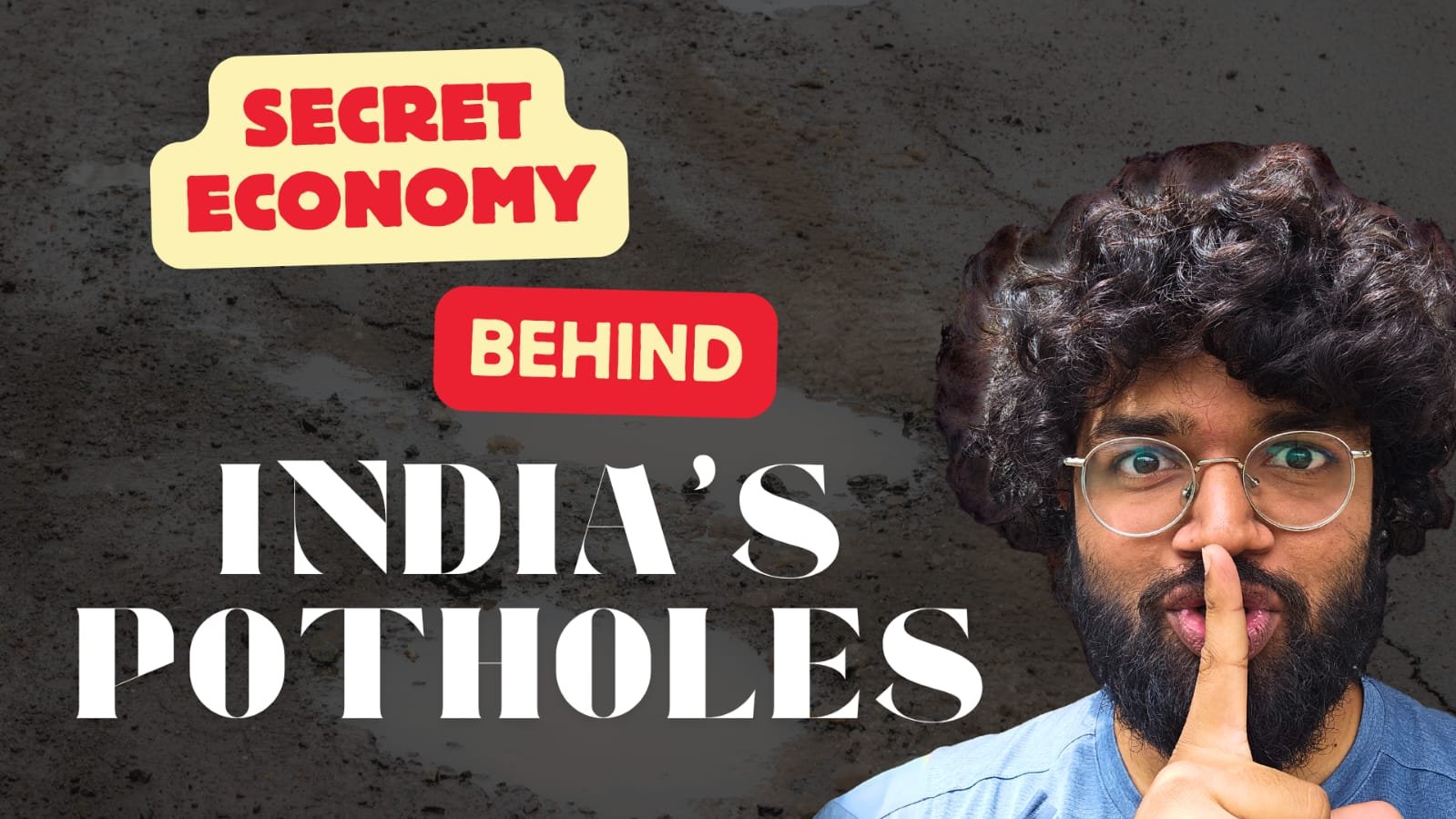
On the narrative side, I run my own YouTube and Instagram channels where I tell stories my way. I also work with organizations– such as Kalpavriksh in Pune, where I lead the South Asia-level network Vikalp Sangam, a 10-year-old collective of organizations practicing alternative, ecologically and economically viable ways of development. And I support Socratus Foundation on their narrative building and social media.
On the community side, I started an independent community in Bangalore for development sector professionals – people from climate, NGOs, think tanks, all working on ground. Because I’ve learned that none of us can do this alone. We need each other.
A typical day now? It’s a mix: shooting a video, mentoring someone from the field on how to tell their story, connecting people in my community who should know each other, and constantly learning. The most rewarding part is when someone tells me, “Because of your video, people finally understood what we’ve been trying to say for years.” That’s the whole point.
This work has given me something I never found in law: a sense that my skills – storytelling, connecting, building – are exactly what the impact space needs. And I get to use them every single day.
Advice to my younger self
If I could go back and talk to my younger self, here’s what I’d say:
You don’t need permission. I spent too long thinking I needed the right degree, the right job title, the right credentials. What I actually needed was to start. The skills came from doing.
Your background is an asset, not a liability. Coming from commerce and law, I thought I was behind. Turns out, that diversity of perspective is exactly what makes my work unique now. Don’t discard your past – repurpose it.
Learn by doing. I didn’t go to film school. I opened YouTube and started making videos. The internet is full of free resources. Use them.
Build community early. I started my Bangalore community because I felt isolated. Don’t wait until you’re lonely. Find your people. They’ll sustain you.
Be patient with the uncertainty. The leap is scary. It doesn’t feel less scary at the beginning. But the fear fades faster than you think, and the purpose grows.
In one sentence, to my younger self: “The stories you want to tell are waiting – and so are the people who need to hear them.”
Resource box
Tools I learned from:
YouTube – Seriously. Everything I know about video editing, I learned here for free.