Apple farmer Sajad Mir doesn’t need anyone to tell him the climate is changing.
Growing up in Shopian, a hill district in southern Kashmir, he remembers stories of winters when heavy snowfall blanketed the Valley for months before slowly melting away. Today, the snow arrives late, disappears quickly and warmer winters have become the new normal. He has watched the changes unfold over the years, but like many others, he cannot explain why they are happening.
“Our elders narrate how there used to be heavy snowfall in winters… But we are now witnessing less snowfall and warmer winters, but we don’t exactly know why it is happening,” he says.
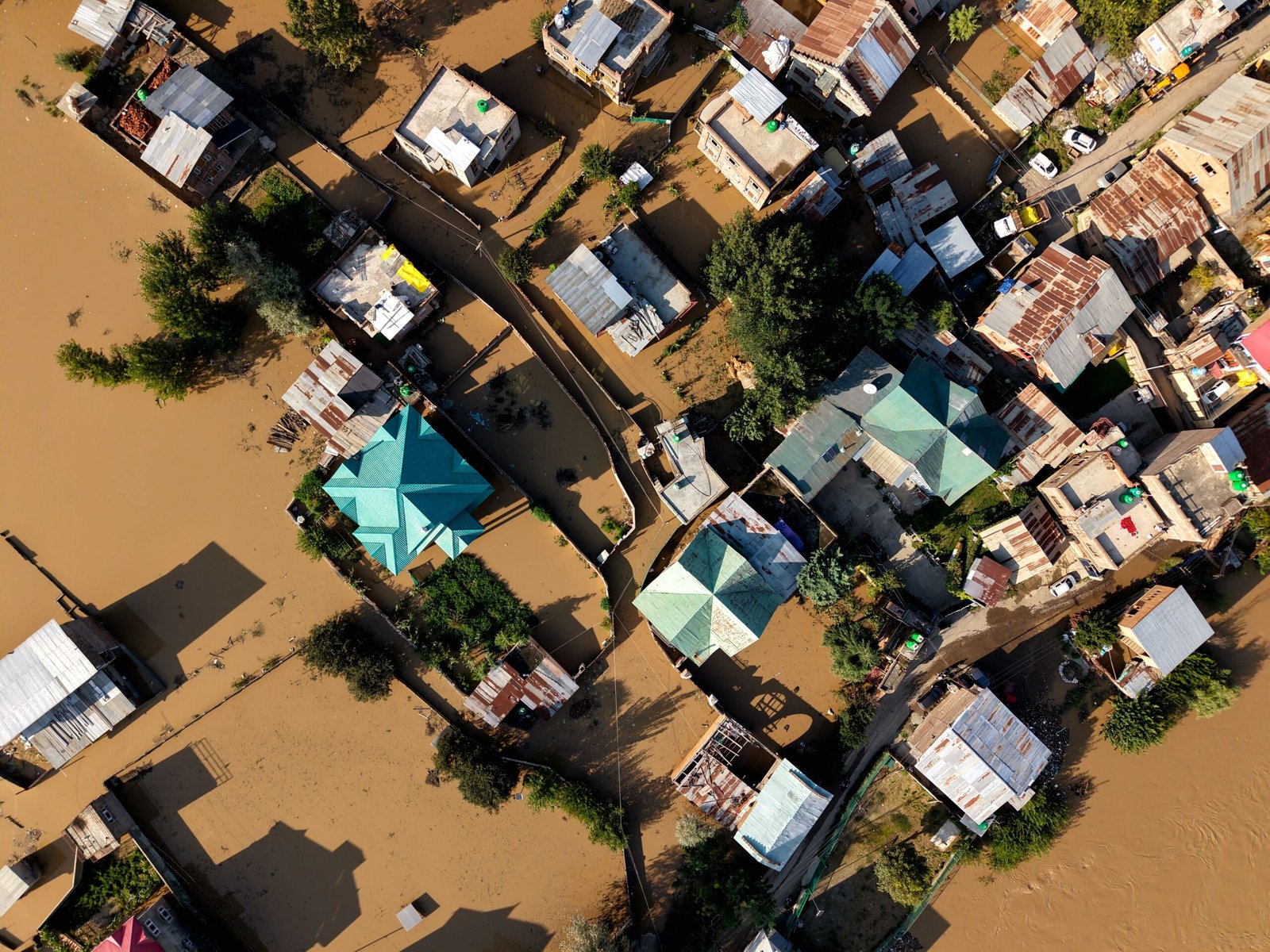
His experience reflects a paradox playing out across Kashmir. Communities whose livelihoods depend on stable weather are already living with the impacts of climate change. Farmers speak of erratic rainfall and declining yields. Tourism workers worry about disappearing snow. Residents have experienced flash floods, hailstorms and rising temperatures. Yet many remain unfamiliar with the science behind these changes, or how that knowledge could help them prepare for what comes next.
That gap in climate literacy matters. Recognising that the weather is changing is only the first step. Understanding why it is changing, how it could affect livelihoods and what can be done to adapt is increasingly becoming essential in one of India’s most ecologically fragile regions.
Living with climate change
Sajad is not alone. Adil Reshi, a saffron grower from Letpora, Pulwama, says changing snowfall and rainfall patterns have reduced saffron production year after year. He attributes climate change broadly to pollution from industries and vehicles, but admits he knows little about concepts such as global warming, having encountered them only briefly in school.
His uncertainty reflects the wider milieu.
A recent survey by the Yale Program on Climate Change Communication found that 58% of Indians said they knew little or nothing about climate change, even though many reported experiencing extreme weather. The interviews conducted for this story suggest that Kashmir is no exception. Residents across rural and urban areas can describe changing seasons and unusual weather patterns, but many struggle to connect those experiences with the broader science of climate change.
That gap in climate literacy matters because adaptation begins with understanding. Farmers who don’t know why rainfall patterns are changing may struggle to choose more resilient crops or adopt new farming practices. Tourism workers watching snow seasons shrink may not recognise that the shifts are part of a longer-term trend rather than isolated bad years. Communities that don’t understand climate risks are also less likely to prepare for extreme weather, demand better public policies or take advantage of government programmes designed to build resilience. In a region where climate change is already reshaping agriculture, water resources and tourism, awareness is no longer just about education. It is becoming a prerequisite for adaptation.
Environmentalist and RTI activist Raja Muzaffar says that while Kashmiris are witnessing the effects of climate change, public understanding of the science behind it remains weak. Even students of environmental science, he argues, often lack a clear understanding of how to protect the Valley’s fragile ecosystems.
He believes climate education needs to become far more local. Students learn about the Amazon rainforest and distant oceans, he says, but spend little time understanding the Pir Panjal range, the Jhelum and Chenab rivers, Dal Lake or the mountain ecosystems that shape life in Jammu and Kashmir.
His concerns are echoed in the Jammu and Kashmir Climate Change Action Plan, which acknowledges limited awareness of climate risks and resilience at every level, from government institutions to local communities. The plan proposes training programmes, awareness workshops and capacity building for community organisations as part of a broader effort to strengthen climate resilience.
Schools aren’t preparing the next generation
If climate literacy begins in the classroom, teachers say the education system is falling short.
Firdous Ahamed Shah, a secondary school teacher in Ganderbal, says climate science is taught only as part of a prescribed syllabus, leaving little room to explain how it affects students’ own lives and surroundings. Environmental consultant and educator Sajad Ahmad agrees, arguing that many students leave school without understanding even basic concepts such as greenhouse gases, global warming or rising temperatures. Instead, curricula continue to focus on topics with little connection to the environmental challenges confronting the region today.
That experience resonates with students themselves. Hadi Sujha Sultan, a Class 8 student, says he first encountered climate change only last year in a geography lesson. While the chapter discussed causes such as pollution and deforestation, it offered little explanation of how climate change could affect people’s lives or what communities could do to respond.
A knowledge gap that extends beyond the classroom
This disconnect cuts across professions, generations and geographies.
In Srinagar, a shop salesman says he has heard about climate change through television and social media, but knows little about the science behind it. A tea seller in the city says he has noticed hotter summers and shorter winters over the years, yet sees them as part of nature’s cycle rather than a larger climatic shift. Others link changing weather to pollution or deforestation but struggle to explain how greenhouse gas emissions, rising global temperatures and local environmental changes are connected.
For many, climate change remains something they experience rather than understand.
That distinction is important. People’s observations of changing weather are often remarkably accurate. Farmers can tell when snowfall arrives later than it once did. Tourism operators know when ski seasons shorten. Residents can recall floods, cloudbursts and unusually warm winters. But without a broader understanding of climate science, these events are often viewed as isolated incidents rather than part of a long-term trend that demands new ways of planning, farming and managing natural resources.
The result is a paradox. Kashmiris are already adapting instinctively to a changing climate, altering planting schedules, coping with water shortages or adjusting livelihoods. Yet many are doing so without the information that could help them anticipate future risks and make more informed decisions.
Turning awareness into resilience
Recognising this gap, policymakers have begun to place greater emphasis on climate awareness.
The Jammu and Kashmir Climate Change Action Plan identifies limited public awareness as a major obstacle to climate resilience. It calls for awareness campaigns, training programmes, community participation, institutional capacity building and climate education to help residents better understand the risks they face and the choices available to them.
CPI(M) leader and MLA Mohammad Yousuf Tarigami has also argued that climate literacy must become part of the region’s development agenda, warning that awareness is essential if communities are to respond effectively to increasingly frequent climate-related disasters.
For Kashmir, the challenge is not about convincing people that the climate is changing – the evidence is all around them. The task is to bridge the gap between experience and understanding, so that awareness translates into action and communities are better equipped to adapt to a warmer, less predictable future.
Mir Zeeshan is a mentee of the Climate Media Hub at the Asian College of Journalism. The programme is supported by Interlink Academy, Germany.
This story has been edited by Meena Menon and Madhur Singh.