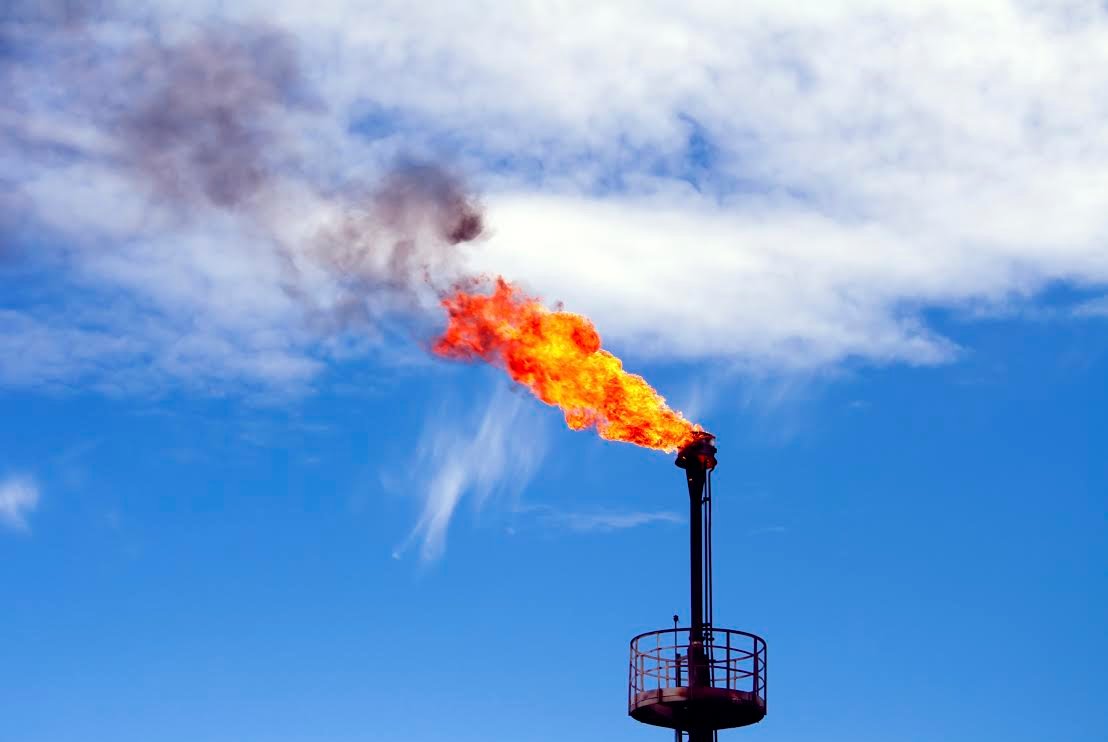
In India and around the world, methane is leaking into the atmosphere from rice paddies, cattle farms and decomposing waste, accelerating global warming.
While carbon dioxide is the most talked-about greenhouse gas, methane is significantly more potent. To understand why, imagine greenhouse gases as blankets covering the Earth. Carbon dioxide adds many thin blankets, while methane adds only a few but much thicker ones. Even in small amounts, methane traps far more heat. Despite being less abundant in the atmosphere, methane has caused nearly one-third of all warming since the Industrial Revolution.
But what if this climate offender could become a resource? That’s the question driving String Bio, a Bengaluru-based startup co-founded by Ezhil Subbian and Vinod M.L. Kumar, which is turning methane into food, feed and sustainable materials.
Transforming a climate change beast into a resource
“When we started String Bio in 2012, our goal was simple but ambitious: how can we take one of the most harmful greenhouse gases, methane, and turn it into something useful and valuable?” says Ezhil Subbian, co-founder of String Bio. “If we could transform this problem into a resource, we would not only address climate change but also build sustainable alternatives for food, agriculture, materials, and other markets.”
The process is grounded in microbial science. “What we do is capture methane and feed it to tiny microbes, much like you feed flour to yeast when baking bread,” Subbian explains. “The methane is collected and cleaned. It goes into a tank that looks very much like what you would see in a brewery. Inside, our microbes eat the methane and grow. As they grow, they make useful things like nutrients for plants and protein for animals. We then harvest and process these into finished products that different industries can use.”
These microbes, or methanotrophs, consume methane as their energy source. After 12 years of development, String Bio now produces a gamut of products – a range of bio-nutrients designed to support crop yield and soil health and protein ingredients for animal feed.
The journey has not been straightforward. “The first few years were largely focused on high-risk innovation in gas fermentation and at each phase it has been a fun and exciting learning journey,” Subbian recalls. “There were plenty of downs, but the few ups really made it worthwhile.”
She identifies several pivotal moments from this journey – building a strong team, scaling manufacturing, commercialising products, and establishing partnerships with global companies.
Challenges: Quality and economics
Despite the promise, the road to commercialisation is steep. “The single-cell protein market is growing,” says Pratyoosh Shukla of the School of Biotechnology at Banaras Hindu University. “Converting methane to single-cell protein (SCP) and sustainable feed protein is very promising in the upcoming five to 10 years. We need more focus on making it viable and acceptable, including quality control and commercialisation.”
“Ensuring the SCP meets protein quality standards and is free from contaminants or endotoxins is critical for feed or food applications,” notes Monali Rahalkar, senior scientist at the Agharkar Research Institute in Pune. Shukla, too, emphasises that full screening as per FSSAI standards is mandatory before such products can be considered for wider use.
Voices from the field
StringBio’s agricultural products CleanRise and PRO-DG have been tested by farmers and partners across India and internationally. You can see documented farmer experiences on its YouTube channel, where Indian farmers describe improvements in crop health, yields and soil condition.
“Many have shared that they see healthier crops, better yields and improved soil health after using our products,” Subbian notes.

Ezhil Subbian

Co-founder Vinod Kumar
Pathways and Barriers
Shukla emphasises the need for economic proof. In India, the most compelling evidence would be field-level economic modelling comparing SCP production with traditional protein sources like soy or fishmeal, along with pilot successes using locally isolated methanotroph strains. “If any industry is funding it, more opportunities are towards commercialisation,” he says.
From a policy perspective, Subbian calls for incentives across the value chain and the global harmonisation of regulations around sustainable agricultural inputs. “Today, the rules vary widely across regions, which slows down innovation and market entry,” she says. “Clear, consistent standards would allow solutions like ours to move more quickly across borders.”
Why we must apply emergency breaks on methane
The climate solutions non-profit Project Drawdown counts curbing methane emissions among the high-impact climate solutions the world needs right now to stay on a below 2 degrees global heating trajectory.
About 40% of existing methane comes from natural sources, while the remaining 60% is linked to human activities, known as anthropogenic emissions. Most of India’s methane comes from sources like livestock, followed by rice fields and waste that decomposes without oxygen, and leaks from fossil fuel activities.
Methane reduction has also become a focus of international climate cooperation. Launched at COP26, the Global Methane Pledge asks countries to cut methane emissions by 30% by 2030, but India did not sign it, citing concerns that binding methane targets could harm its agriculture-dependent economy and interfere with trade rules.
Although not a signatory, India has put in place several methane reduction and management initiatives. Under the National Mission on Sustainable Agriculture, it is promoting climate-resilient rice cultivation practices that lower methane emissions, and through the National Innovations in Climate Resilient Agriculture (NICRA) project, it supports techniques such as direct-seeded rice and crop diversification to reduce methane from rice fields.
The National Livestock Mission comprises measures like balanced animal feeding and fodder improvements to cut methane from livestock. Schemes such as Gobar-Dhan and the New National Biogas and Organic Manure Programme incentivise cattle waste utilisation for biogas and organic manure production, helping capture methane that would otherwise be lost to the atmosphere.
All of this makes String Bio’s work pivotal. When asked how the adoption of StringBio’s products at scale would practically change agriculture and related value chains, Subbian explains, “At scale, the impact could be transformative. Agriculture is one of the largest contributors to methane and nitrous oxide emissions, and our solutions are designed to directly address these challenges.
Even with just 5% market penetration, our rice solution alone could offset around 30 million tonnes of carbon emissions annually. Practically, this means farmers can improve productivity and soil health while contributing to meaningful reductions in greenhouse gases. Over the next decade, this kind of scale would position agriculture not just as a source of food but also as a central part of the climate solution.” That 30-million-tonne figure is rather substantial. Think of it as taking several million cars off the road for a year.
When asked about the next tangible milestone, Subbian is focused on the immediate, which is “Seeing more of String products in commercial use will be the next tangible milestone for us.”
In a country that produces significant methane from its agricultural backbone but hesitates to sign international reduction pledges, String Bio’s products show a way to address the climate problem while potentially strengthening, rather than constraining, agricultural productivity.
Sonam Raina is a contributing writer at Climate Action Live, covering verified climate solutions across built environment and interiors, fashion and textiles, waste management, and circular design. She focuses on evidence-led reporting that separates credible solutions from false and ineffective climate claims.
Inspired to Take Action?
Tl;dr: A summary for the busy, the curious, and the done-for-today
Methane is a major climate driver: Far more potent than carbon dioxide and responsible for nearly one-third of global warming. Key sources include agriculture, waste and fossil fuels.
String Bio captures methane and feeds it to microbes through fermentation, producing bio-nutrients for crops and protein for animal feed – turning a greenhouse gas into a useful resource.
While methane-to-protein (single-cell protein) has strong potential, hurdles remain around cost competitiveness, quality control, regulatory approvals (like FSSAI standards) and large-scale adoption.
Field trials suggest improved crop yields and soil health; even limited adoption (e.g., 5% market penetration) could significantly cut emissions, potentially offsetting 30 million tonnes annually.
Methane reduction is a global priority (e.g., Project Drawdown), and while India hasn’t joined the Global Methane Pledge, it is pursuing domestic initiatives – creating an opportunity for solutions like String Bio to align climate action with agricultural productivity.