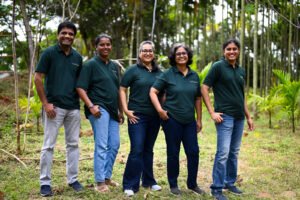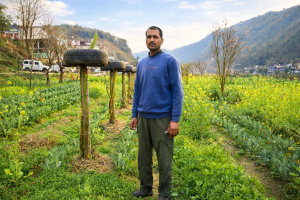
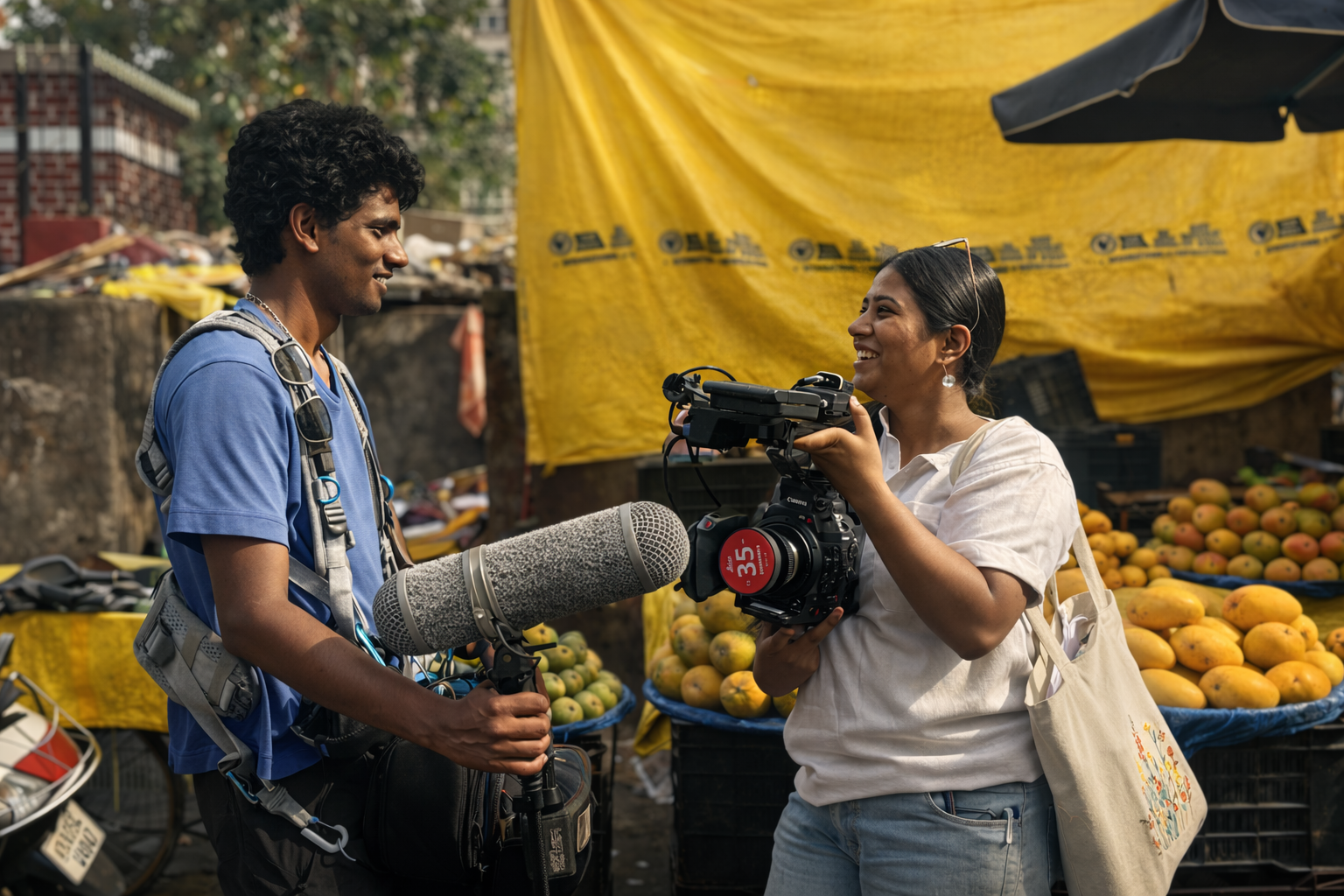
When was the last time you felt rooted? Really rooted. With a sense of belonging to something larger than yourself. A place, a person, a community, maybe even a kind of food.
Our roots may begin in one place, but we spend our lives finding ways to grow them elsewhere. We keep searching for ways to feel re-rooted in the worlds we move through.
ReRooted.Films was born from that idea.
In a world that feels hyperconnected yet emotionally disconnected, I kept returning to the idea of belonging. ReRooted became my way of bringing together everything that matters to me: storytelling, sustainability, empathy and intentional living.
Growing up with sustainability, before it had a name
I grew up in a house where sustainability was not a trend or a buzzword. It was simply how we lived.
My father’s drunken shenanigans involved knocking on neighbours’ doors because water was leaking from their homes. We were also that family that walked into shops and carried everything out in our bare hands just to avoid single-use plastic bags.
Over time, the baton passed to me.
I became the person saying things like: “We should switch to menstrual cups,” or “Let’s buy groceries from this local store instead.” Sustainability slowly stopped being something external and became part of how I viewed daily life and decision-making.
Finding storytelling through photography and film
For a long time, I was confused about what I wanted to do professionally.
I knew I was a strong communicator, but I did not know the medium. Photography came first. Being behind a camera felt instinctive. Writing followed naturally because I have always expressed myself best through words. That eventually led me to screenwriting, and from there, filmmaking felt like a natural progression.
Around the same time, I came across a talk by Bea Johnson on minimal waste living. What stayed with me was not just the idea of reducing waste, but the possibility that quality of life could actually improve through consuming less.
That idea fundamentally shifted something in me.
As a storyteller, my values inevitably find their way into my work. It is the only way I know how to tell stories.
I found myself drawn to themes of war, water inequality, LGBTQIA+ representation, and stories centred on children and the elderly. Even with limited exposure to non-fiction filmmaking at the time, I felt deeply curious about real stories and lived experiences.
That curiosity eventually led me to build ReRooted.Films as an end-to-end sustainable production studio working with grassroots organisations, nonprofits and impact-driven partners.
The first organisation that we got to work with was Saahas NGO. It was a project in the outskirts of Gurugram, and the team was more than supportive through the entire process of making the film. Additionally, they saw value in us holding ourselves accountable and following a low-waste approach.
Immediately after that, we got to work with Saahas Zero Waste on a pilot project on e-waste, and the response was similar. This gave us confidence that what we were doing was not just necessary but may be seen as valuable by others too.
Building a sustainable production studio from home
Based in Bengaluru, a city I have called home for years, ReRooted.Films does not operate from a conventional studio space.
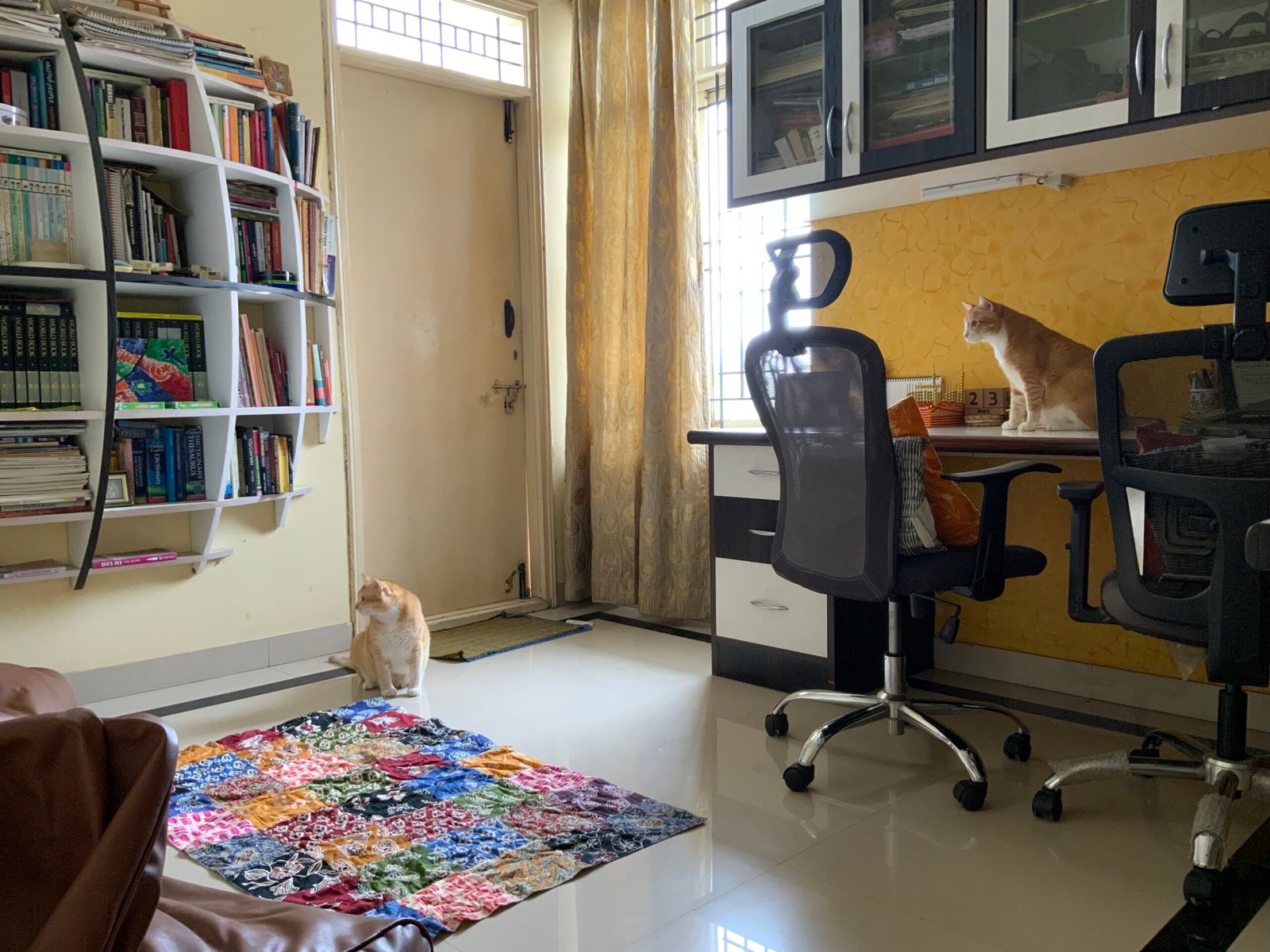
Shruti’s workspace is not a conventional studio.
We work out of my home. What was my study room doubles up as our office, and even while setting it up, the choices felt intentional. The chairs are secondhand. The board is secondhand. Much of our stationery has been collected over the years rather than bought new. There is an upcycled patchwork carpet, recycled paper coasters and repurposed pouches scattered around the room.
The space reflects how we want to work and what we want to normalise.
The realities of balancing filmmaking and sustainability
Running a sustainable production studio has not been easy.
One of the biggest challenges is finding collaborators who understand both filmmaking and sustainability. Often, it feels like constantly balancing competing priorities: budgets and values, timelines and processes, convenience and intention.
In the beginning, I approached sustainability with a fairly idealistic mindset. Over time, I have realised that sustainability is less about perfection and more about consistency. It is about continuing to try, even when compromises become unavoidable.
There have absolutely been moments when the additional effort, logistics or costs felt exhausting.
But those moments have also made me more patient, more flexible and more aware of what it means to hold on to intention even when things are imperfect.
What sustainable filmmaking looks like in practice
Film productions generate enormous amounts of waste. Set materials, disposable food packaging, transport emissions and energy use all add up quickly. Even relatively small shoots leave behind a significant footprint.
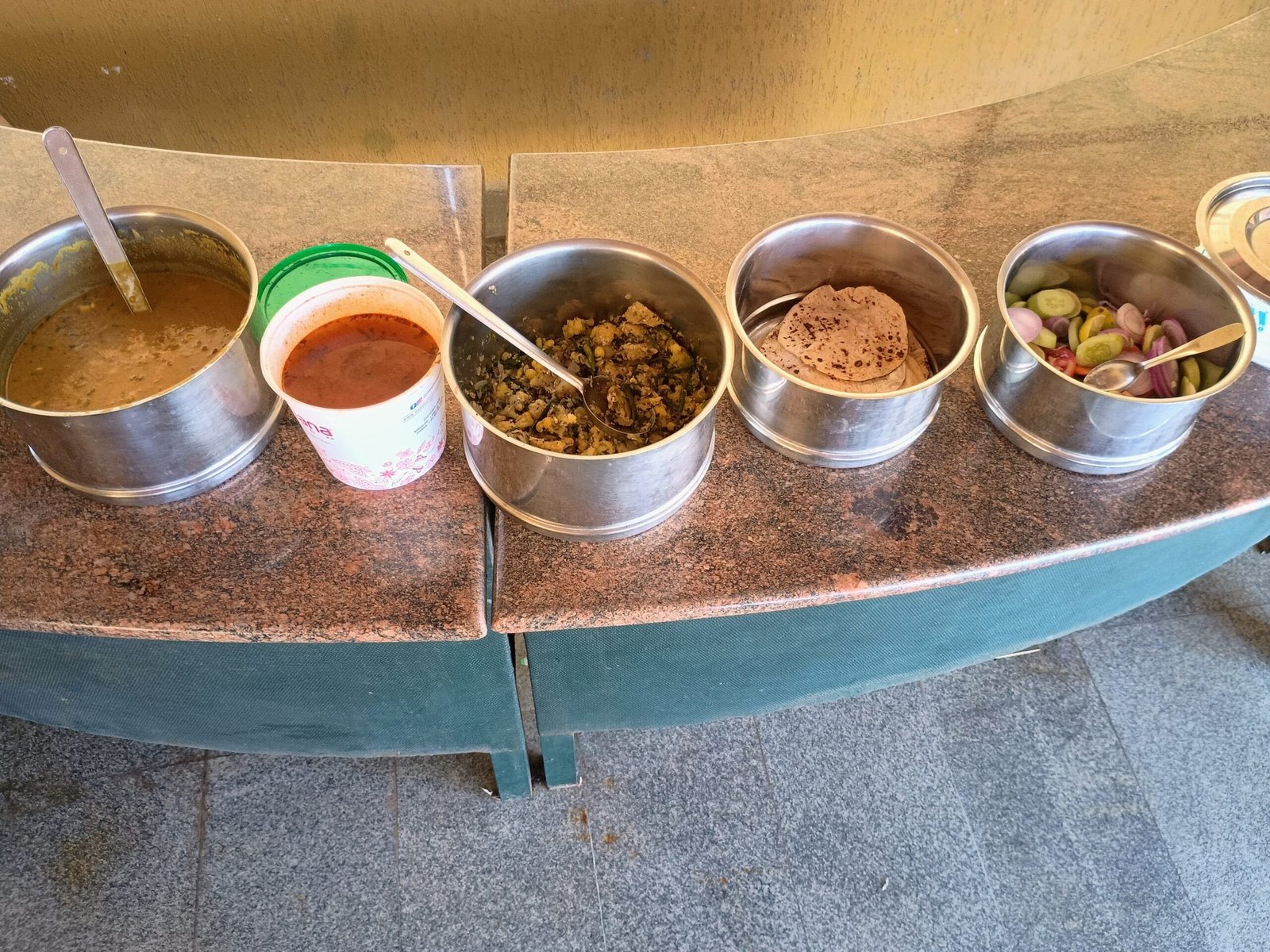
The Re:Rooted team ensure minimal waste is generated on set. Here, reusable steel utensils contain the team’s meal.
That awareness shapes how we work at ReRooted.Films.
We audit our waste, carbon footprint and resource use wherever possible, trying to align production processes with our larger values. Sometimes sustainability shows up in small ways: refusing single-use plastic on set, carrying steel bottles, choosing vendors carefully or ensuring waste is segregated after a shoot.
Sometimes it requires harder decisions.
We also work with partners who audit projects and provide sustainability certifications for productions. It increases costs, but it has felt important to build those systems into our process from the beginning.
Questions we ask before every production
Pre-production
- Can this shoot be completed with fewer travel days?
- Can we choose train/bus travel if we have to?
- Can remote pre-production meetings replace in-person meetings?
- Are we hiring local vendors where possible?
- Can equipment or materials used be rented, reused or sourced secondhand?
On-set practices
- Are single-use plastics banned on set?
- Does every crew member carry a reusable water bottle or mug?
- Is food being sourced locally with minimal packaging?
- Have we arranged waste segregation for the shoot?
- Are digital call sheets and scripts being used instead of printed copies?
Equipment and energy
- Can battery usage and generator dependency be reduced?
- Are energy-efficient lights and equipment being used?
- Can transport be shared or consolidated for crew movement?
- How long do we run our computers and equipment?
- How often do we charge our batteries?
Post-production
- Is footage being archived responsibly to reduce unnecessary storage duplication?
- Can deliverables be shared digitally instead of through physical media?
- Has the project’s environmental impact been reviewed internally?
Long-term thinking
- Are we working with vendors whose practices align with our values?
- Did the production leave behind unnecessary waste?
- What would we do differently on the next shoot?
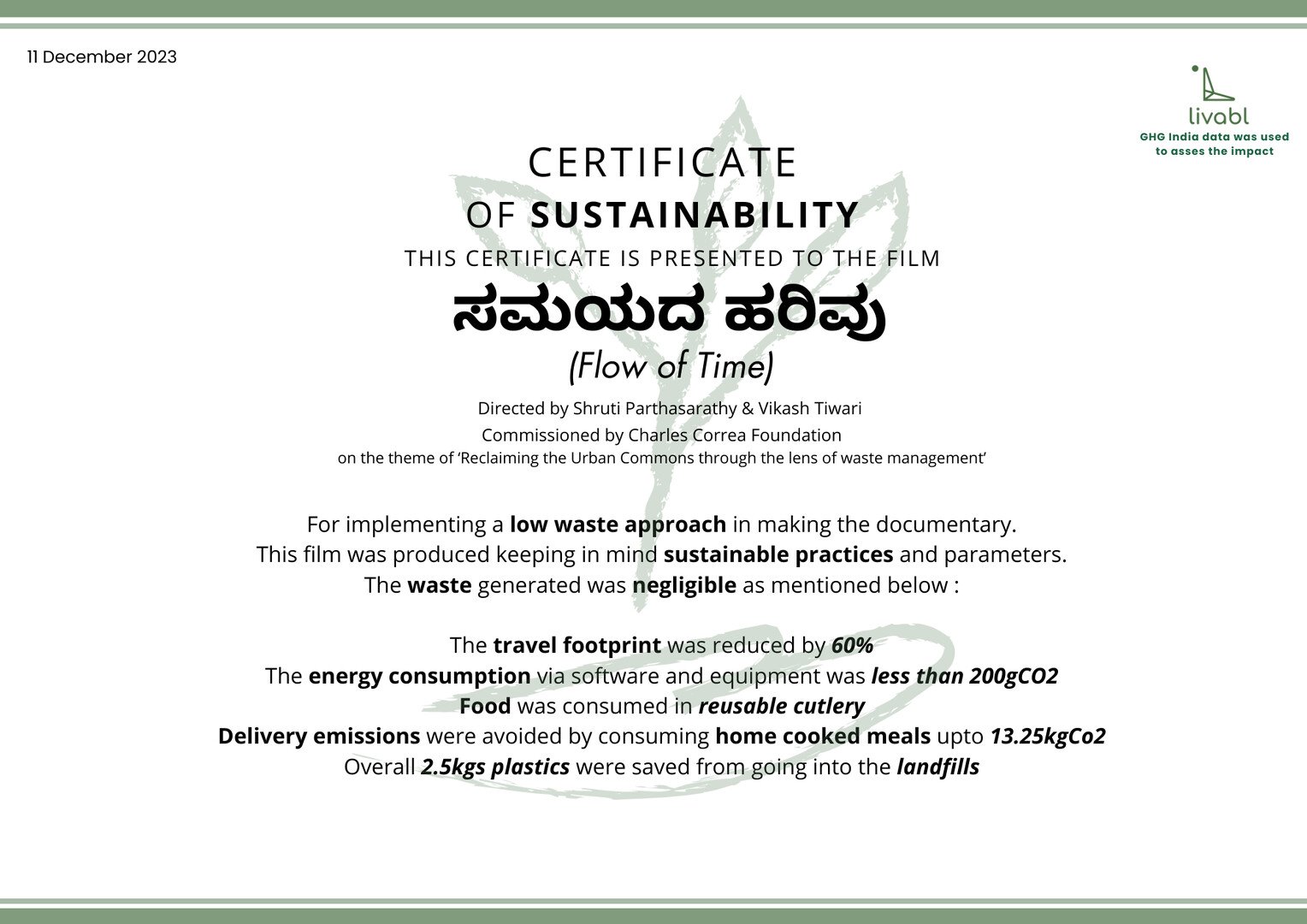
A waste audit of ReRooted Films’ end-to-end production for a project.
Why climate storytelling cannot exist in isolation
While ReRooted.Films frequently works on climate and sustainability stories, we do not see those themes in isolation.
Climate conversations are deeply connected to gender, healthcare, livelihoods, migration, identity and access. The stories we tell aim to reflect those intersections rather than treat sustainability as a standalone category.
Today, ReRooted.Films works across fiction, documentaries, corporate films, impact storytelling, podcasts, animation and other formats. The goal remains the same across mediums: creating empathetic, relevant narratives that reconnect people with overlooked cultures, values and voices.
This year, we are also expanding our fiction work.
One challenge with sustainability-focused filmmaking is the risk of being typecast exclusively as a “climate production house”. While we deeply value working with climate organisations and impact-driven clients, we are equally interested in powerful stories across genres and formats.
A good story can take any shape.
ReRooted.Films is still evolving
ReRooted is still becoming.
It is being shaped continuously by every collaboration, every production challenge and every small decision we make along the way.
Right now, we are focused on growing our storytelling branches while staying rooted in the values that started this journey in the first place.
Over time, we hope to make sustainable storytelling the norm, not the exception!
Shruti Parthasarathy is a writer, photographer, filmmaker and low-waste practitioner from Bengaluru, and is an alumna of the Satyajit Ray Film and Television Institute and India. She has worked on a range of fiction, non-fiction and animation films, driven by a passion for stories rooted in reality. She is currently working on a personal documentary and has previously directed Samayada Harivu (Flow of Time), which was awarded at the Mumbai Festivals’ Earth Film Contest.